During the pandemic, when I was 50, I had one of those conversations that only happen when the world slows down enough to force honesty. I was talking with my best friend, and like many people at the time, we were quietly evaluating our lives in the middle of a global crisis.
On paper, things looked good. We both had grown-up children who were doing well. Loving husbands. Comfortable homes. Careers we had built over decades. Strong friendships. A life that, objectively, worked.
And yet, beneath all of that, a question surfaced. What now? What’s next? When it was my turn to answer, something unexpected came out of me. Calm, quiet, and absolutely certain. I said, “I want to be fit. Really fit.”
It surprised me how sure it sounded. It didn’t feel like a goal or a wish. It felt like a statement of truth from a part of me I hadn’t heard from in a long time. I had been adjusting and coping for years, and suddenly there it was.
My friend started to laugh. She’s not unkind, she’s just brutally honest. After laughing, she said, “But Deb… that’s completely in your hands.”
That sentence landed hard. It was like clarity arriving all at once, after a long period of mental fog. Nothing changed in that moment, but the direction of my life did.
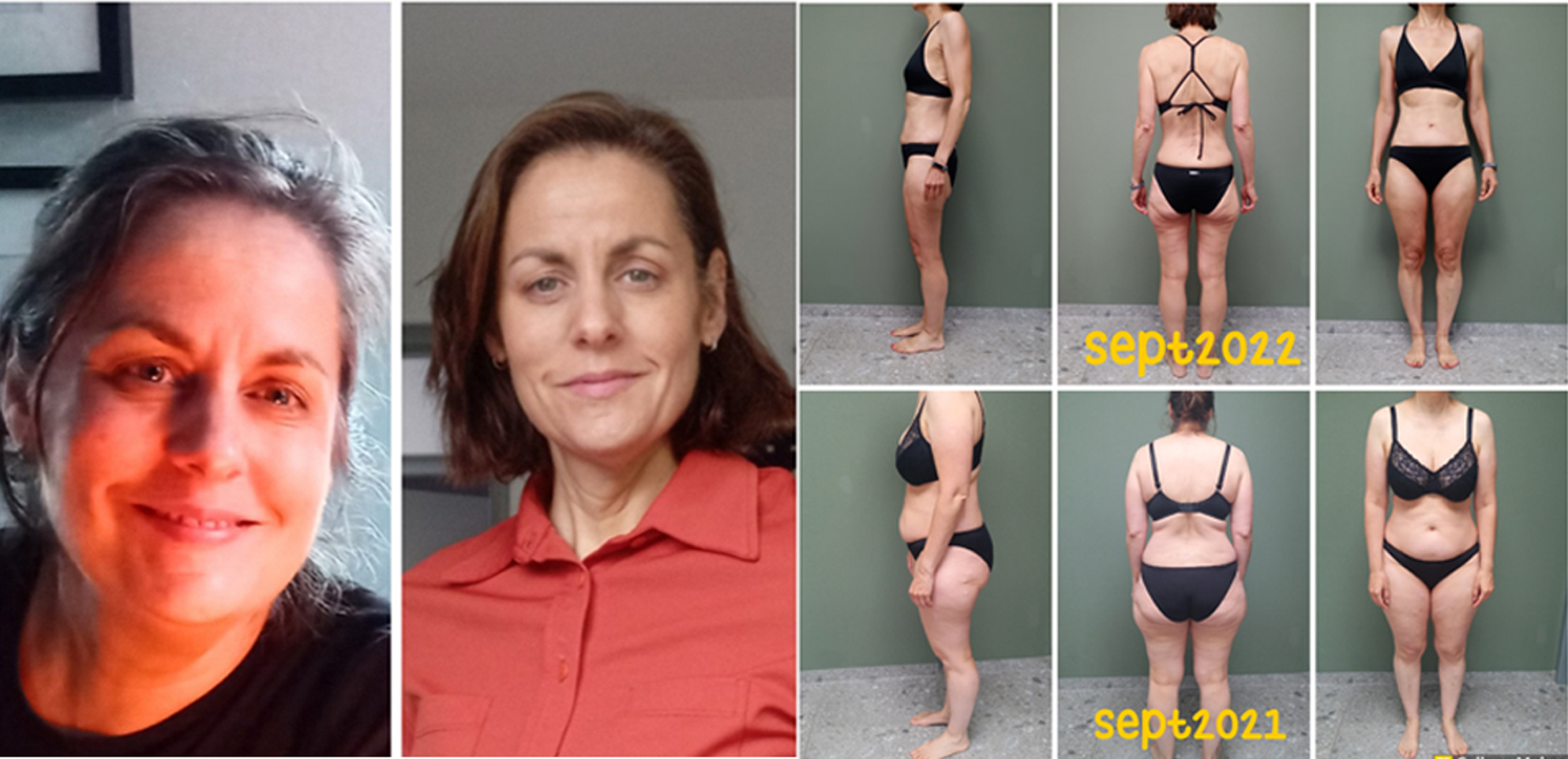
At the time, I weighed close to 80 kilos at 165 cm. According to BMI, I was overweight. More importantly, I didn’t feel aligned with myself. I knew a lot about food. I was a food engineer. I had exercised on and off my whole life. And yet, knowledge hadn’t translated into results.
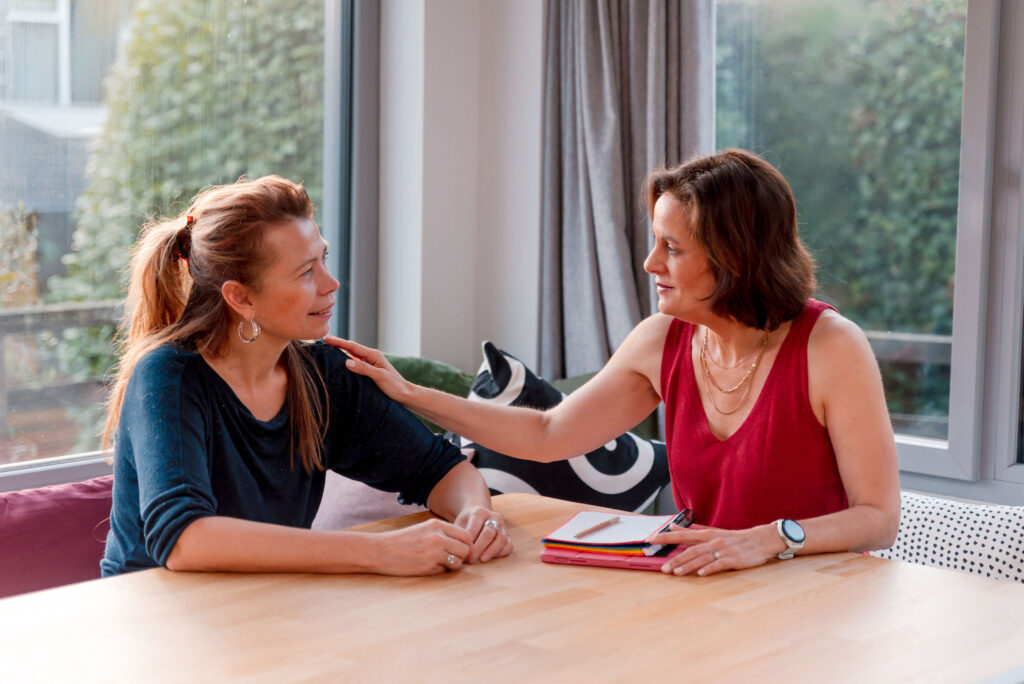
That was my first real lesson: knowing is not the same as doing. Hiring a nutrition and training coach was surprisingly difficult to accept. It felt almost embarrassing. I “knew better.” But I also knew something wasn’t working, and for once, I chose to stop arguing with reality.
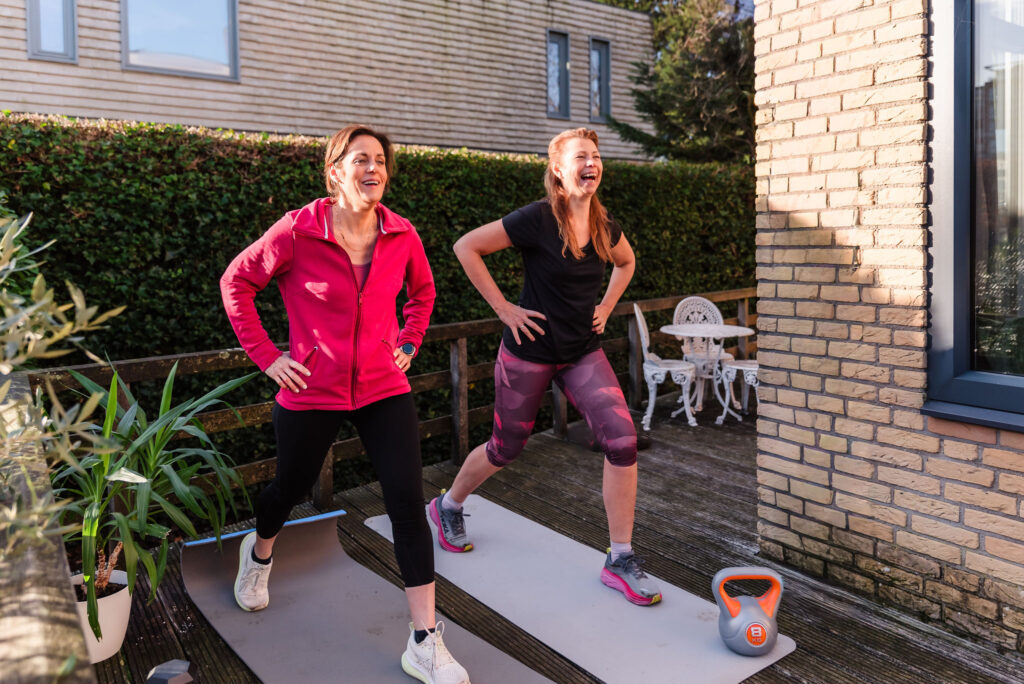
The change itself was not dramatic. It was inconvenient. Cooking differently for myself while still feeding my family. Starting to wake up at six in the morning to train before life could interfere (which I still do). Planning instead of improvising. Repeating small, unglamorous actions day after day. Progress was slow. But it was steady.
As the weight began to come off, something else shifted too. I started saying no more often.
I stopped explaining myself as much. I noticed that not everyone around me was comfortable with the changes. Some people preferred the version of me who always adapted, who made space for everyone else first. That version didn’t survive the process.
In total, I lost 25 kilograms. But that number tells only part of the story.
What really changed was my relationship with myself. I stopped treating my body as a problem to manage and started treating it as something worth supporting. I stopped waiting for the “right time” and built routines that worked inside real life.
Today, I don’t wonder what’s next. I know. Not because everything is figured out, but because I trust myself to keep choosing what aligns.
Losing 25kg in my 50s wasn’t about discipline or restriction. It was about clarity, consistency, and finally deciding that this part of my life mattered. And once that decision was made, the rest followed.