

I got inspired by Mariano Sigman’s BBVA talk, in which he describes how a childhood episode in his life became a deterrent that took 40 years to get rid of. For him it was a cross-country run which made him believe he couldn’t do any sports. For me it was similarly a swim race when I was 10, and I was so nervous that in the end I didn’t jump in with the approval of my family, which was watching. I wondered for years if my life would have been completely different if I would have been forced to jump in and do my best. We will never know.
Happy and healthy are not the same thing
Recently a woman told me she has accepted to live as a “gordita feliz” — this is a sympathetic way to say a happy fat lady. It can be discriminating if you say that about someone else, obviously, but if you say it about yourself…. My reply was harsh because I truly appreciate this person and seeing her hurt herself was painful: you can be happy without being fat, I said. Yes, I know, my empathy was a bit lacking, for sure. What I meant, kindlier, is this: happiness and health aren’t the same thing. Again, also what Mariano said much better than I could: the way we talk to ourselves matters, and it can determine what we achieve. If we tell ourselves that we are happy and fat, or fat and happy, it matters, and it is a definition that allows us not to engage in our own dream. We will not lose, and we will definitely not win, if we don’t engage.
When food is part of who you are
Many of us grow up in families in which food is a genuine part of identity: to celebrate, we eat. To mourn, we eat. To grow, we eat. To rest, we eat. No wonder that as adults we keep “using” food as a safe haven. We can always come back to enjoy it, even if at some point it is hurting us, even if it is making us literally sick. We still have no friend more trustworthy than the dishes which have given us so much over so many years. A recipe passed down for three generations does not just feed you, it tells you who you belong to. Saying no to seconds at your mother’s table can feel like saying no to her.
Letting go without losing yourself
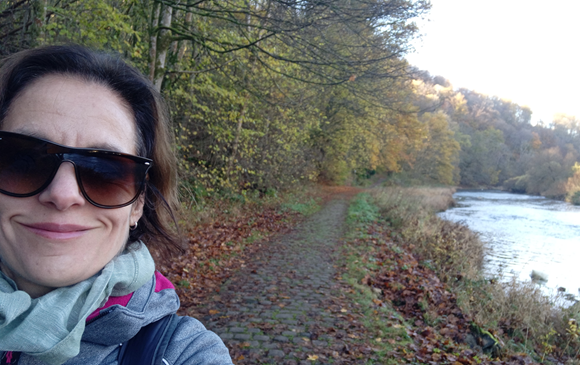
This was truly my family all the way, and it took a very difficult, painful journey of acceptance to come out and say: food should be food, and not the whole reliance system. It is not easy to do, but so much worth it. On one hand, I also know that “we are what we eat,” but there is a difference between that sentence and one that says “our thoughts and our feelings are also what we eat.” So what happens when someone realizes that, physically, they are what they eat, and they want to be healthy and independent when older… but their relationship with food is so intrinsic they can’t imagine how to get away from it? It can feel destabilizing at first. Like learning a new language with food, and that takes real work. Until one day you’re just eating differently, and you are feeling good, at peace with yourself. You are moving effortlessly; you are managing your body instead of it managing you. For me that meant learning to ski at age 52, when many people actually decide to stop. I love it, it is terrifying, but I feel so alive and happy going down those mountains – as long as I keep telling myself this, it must be right!
What DEBs WAY is here for
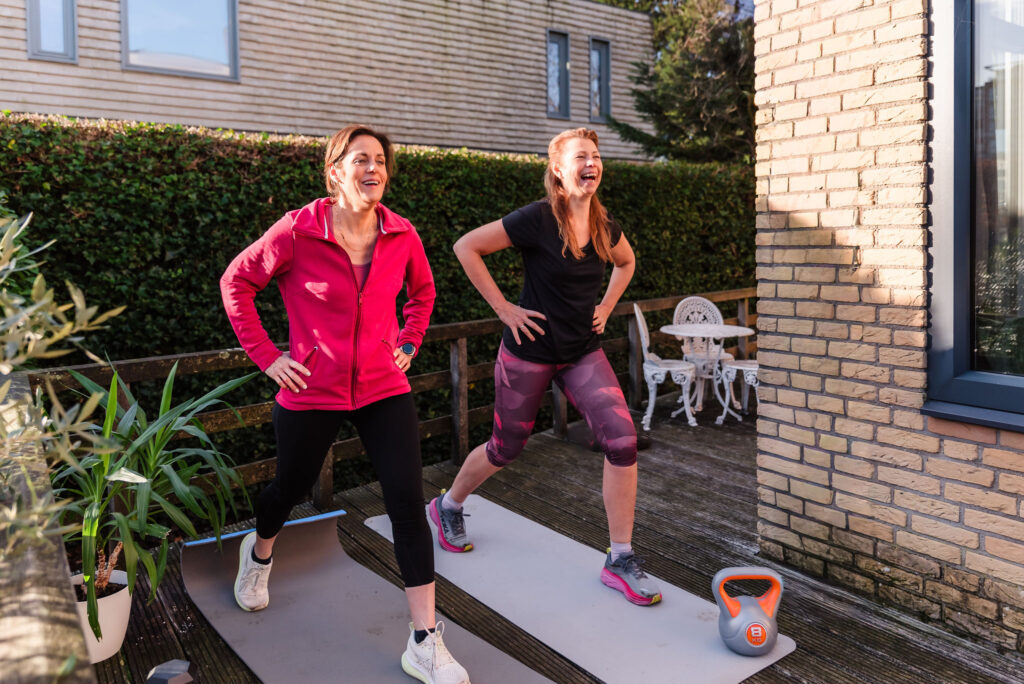
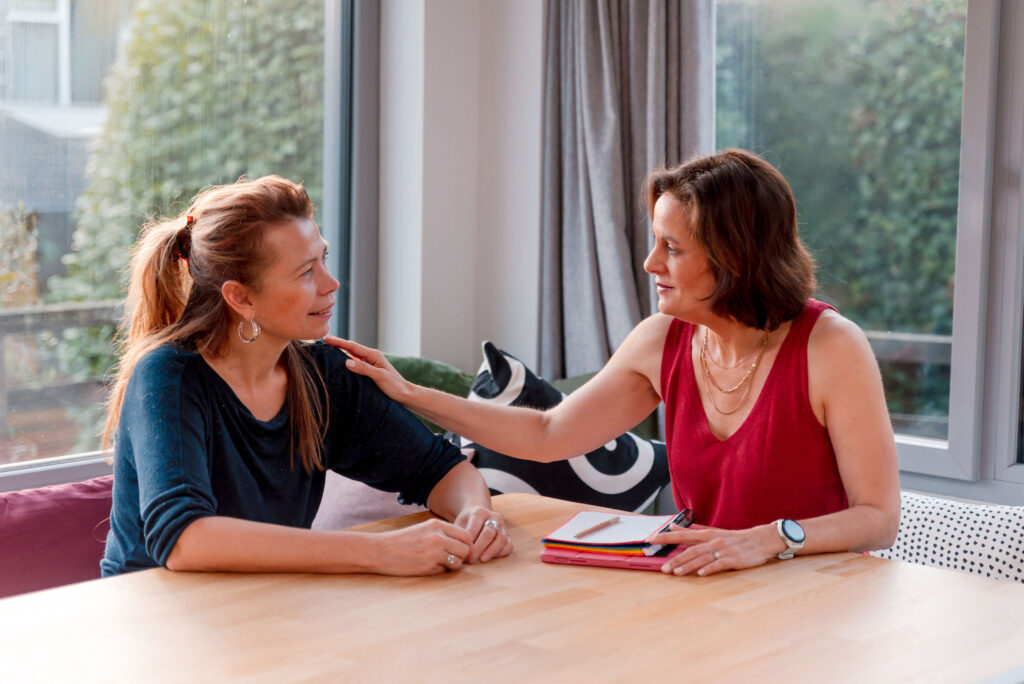
In DEBs WAY, I help clients at this very beginning of their journey with whatever they themselves identify they need: direct conversations about what food means to them and what their body actually needs, practical strategies to eat in a way that serves her body, not her history, and the availability of a community of other women who are also learning to eat differently without losing who they are. The best part, for me, is to see them find happiness in feeling good, enjoying active moments alone or with others, with or without food and drinks. What words are you telling yourself about food and about your body? Are they true? What would change if you started telling yourself different ones?